AI estimating & takeoff
Takeoffs that check themselves
Drawing sets measured, priced and cross-checked by three AI models, then turned into the estimate workbook, proposal and marked-up sheets.
Case study 01 of 07
AI estimating & takeoff
- Where it runs
- In use at The Dom Construction Group www.TheDomConstruction.com
- Built with
- ClaudeChatGPTGeminiPythonExcel +2 more
- We set this up as
- Estimating & Takeoff Automation Proposals, SOVs & Submittals
Every screen on this page uses made-up sample data
The problem
Where the hours went
Every bid at The Dom Construction Group starts with a stack of PDF drawings and a thick spec book. Measuring each elevation by hand, reading every spec section for the one line that changes the price, typing it all into a spreadsheet and then writing the proposal took whole evenings. And one missed wall or one unread addendum can turn a good job into a loss.
What we built
The system, step by step
What it does, in the order it does it. A person checks the result before anything leaves the office.
-
A takeoff tool that reads PDF drawing sets and measures EIFS, stucco, brick and panel areas wall by wall, with every shape named so you can find it later.
-
A second and third opinion. ChatGPT and Gemini each do their own takeoff and spec review, and Claude lines all three up side by side.
-
Anything the three disagree on gets measured again. Anything nobody could measure is printed in red as an allowance to verify, never a silent guess.
-
Every spec line, keynote and note the price depends on gets highlighted on the sheets, so nothing hides in the fine print.
-
Unit prices start from our own history of past bids on the same kind of work, with a low, middle and high price to choose from.
-
One run produces the estimate workbook, the proposal and a PDF of every sheet with the takeoff drawn on it.
Tools
- Claude
- ChatGPT
- Gemini
- Python
- Excel
- Bluebeam
- Google Drive
We’re not a reseller or partner of any of these companies. They’re the tools we use ourselves, and we set them up on your own accounts.
What changed
What’s different now
In plain words. No made-up percentages or “hours saved”, just what we notice day to day.
- A takeoff starts as a draft we check, not a blank page we fill in at night.
- Three independent counts mean a wrong quantity usually shows up before the bid goes out, not after the job starts.
- Every proposal goes out with marked-up sheets, so the GC can see exactly what we measured and what we didn't.
- Addenda and special spec requirements get caught early, while there's still time to call the manufacturer's rep.
- We can look at more bids, because a bad fit is quick to spot and a good one is quicker to price.
Sample output
What the system hands us
The kind of screen this system produces, filled with made-up names, jobs and amounts.
- E1 EIFS
- B1 Brick repoint
- S1 Sealant joints
- Coping · not measured
Three takeoffs, side by side
E1 · EIFS wall area
All three agree. Using 1,200 SF.
S1 · Sealant joints
One count was low. Re-measured: 600 LF.
| Item | Qty | Unit price | Check | Total |
|---|---|---|---|---|
| E1 EIFS patch and finish coat 1,200 SF × $14.00 3 of 3 agree | 1,200 SF | $14.00 | 3 of 3 agree | $16,800 |
| B1 Brick repointing 800 SF × $18.00 3 of 3 agree | 800 SF | $18.00 | 3 of 3 agree | $14,400 |
| S1 Sealant joints at openings 600 LF × $9.00 Re-measured | 600 LF | $9.00 | Re-measured | $5,400 |
| ! Coping flashing (allowance) 1 LS × $2,500 Not measured · verify | 1 LS | $2,500 | Not measured · verify | $2,500 |
| G1 Lift and access 1 LS × $3,000 From past bids | 1 LS | $3,000 | From past bids | $3,000 |
| Subtotal, before overhead and profit | $42,100 |
Price range
Built from our own past unit prices · Dom sets the final number
- Floor
- $44,000
- Recommended
- $48,500
- Ceiling
- $53,000
Sample output with made-up data
The full story
How it works in practice
We do exterior work: masonry, EIFS and stucco, coatings and concrete. Almost every job we price arrives as a PDF drawing set from a general contractor or a public owner, plus a spec book and an addendum or two.
For years the takeoff was the bottleneck. You open an elevation, trace every wall, subtract the windows, write the number down, then do it again on the next sheet. Then you read the specs, hunting for the paragraph that says the sealant must be one brand, or the sample panel is on you. Then you build the spreadsheet. Then, last, the proposal. When two bids were due the same week, one of them didn’t get our best work.
So we built a system that does the first pass for us.
How it runs day to day
The drawings, specs and addenda go into the bid folder. The takeoff tool opens the elevation sheets, checks the scale against a dimension we know, and measures each material: EIFS here, brick there, sealant joints around every opening.
At the same time, ChatGPT and Gemini get the same sheets and do their own count and their own read of the specs. Claude puts the three answers side by side. Where they agree, we move on. Where they don’t, that wall gets measured again until we know why. Anything that only shows up in a note, or has no dimensions at all, goes into the estimate in red as an allowance with a VERIFY flag.
Then it builds the workbook from our own past unit prices, writes the proposal in our usual format, and makes a marked-up set of every sheet to attach. The GC’s estimator can see at a glance what we priced and what we left out.
What still needs a person
Dom does. He checks every sheet before a number leaves the office. He calls the manufacturer’s rep when a spec needs an approved installer. And he sets the final price, because he knows which GC pays on time and which job will have a crew waiting on other trades. The system gives him the quantities, the range and the risks. It doesn’t decide whether we want the job.
If you price work from drawings
You don’t need our exact setup. Roofers, painters, electricians and sitework crews all do some version of this: measure, price, write it up. We build the version that fits your trade, on your own accounts, starting from your own past prices. See estimating and takeoff automation for how a build like this goes.
Try something like it
A demo you can run now
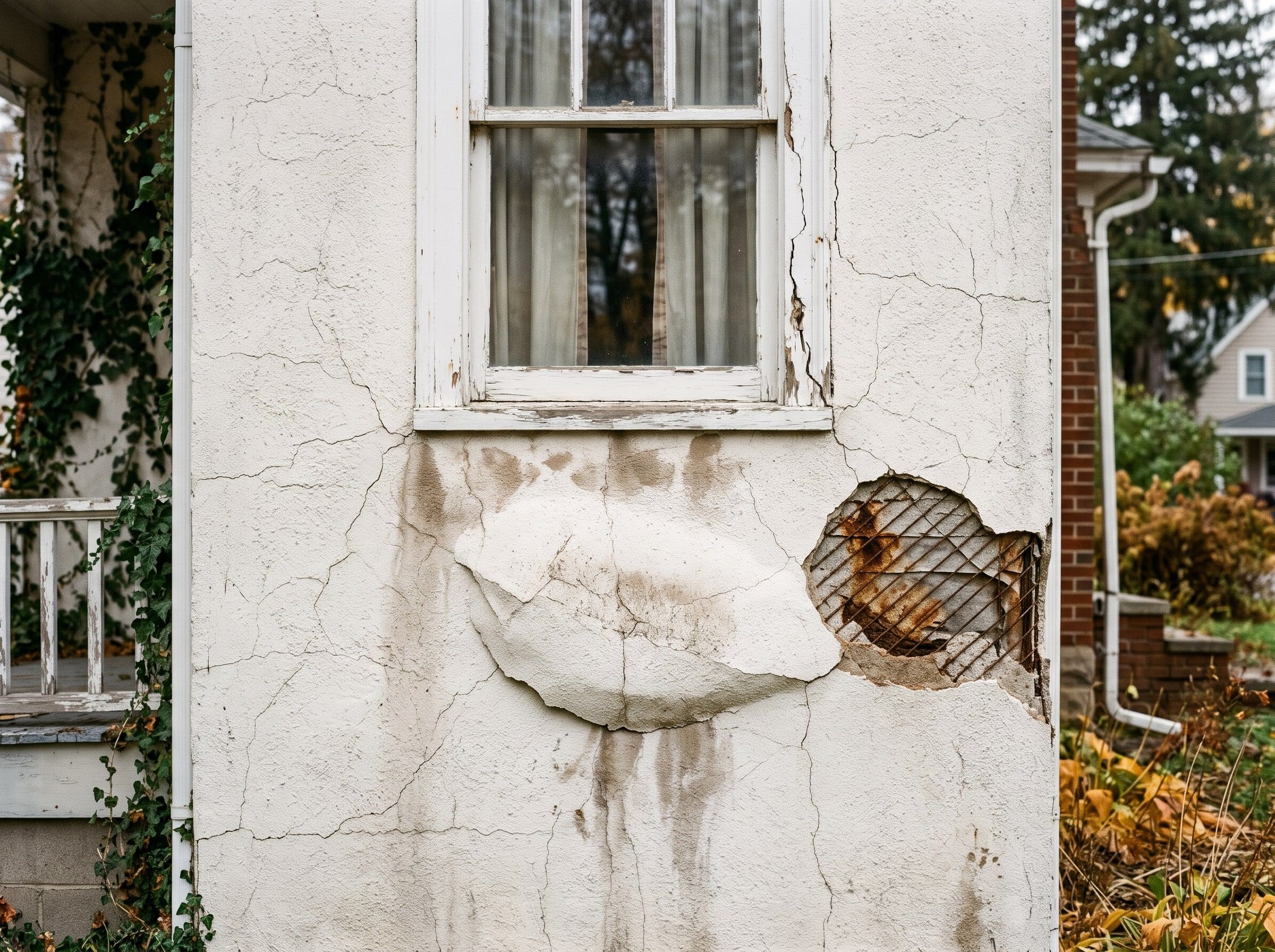
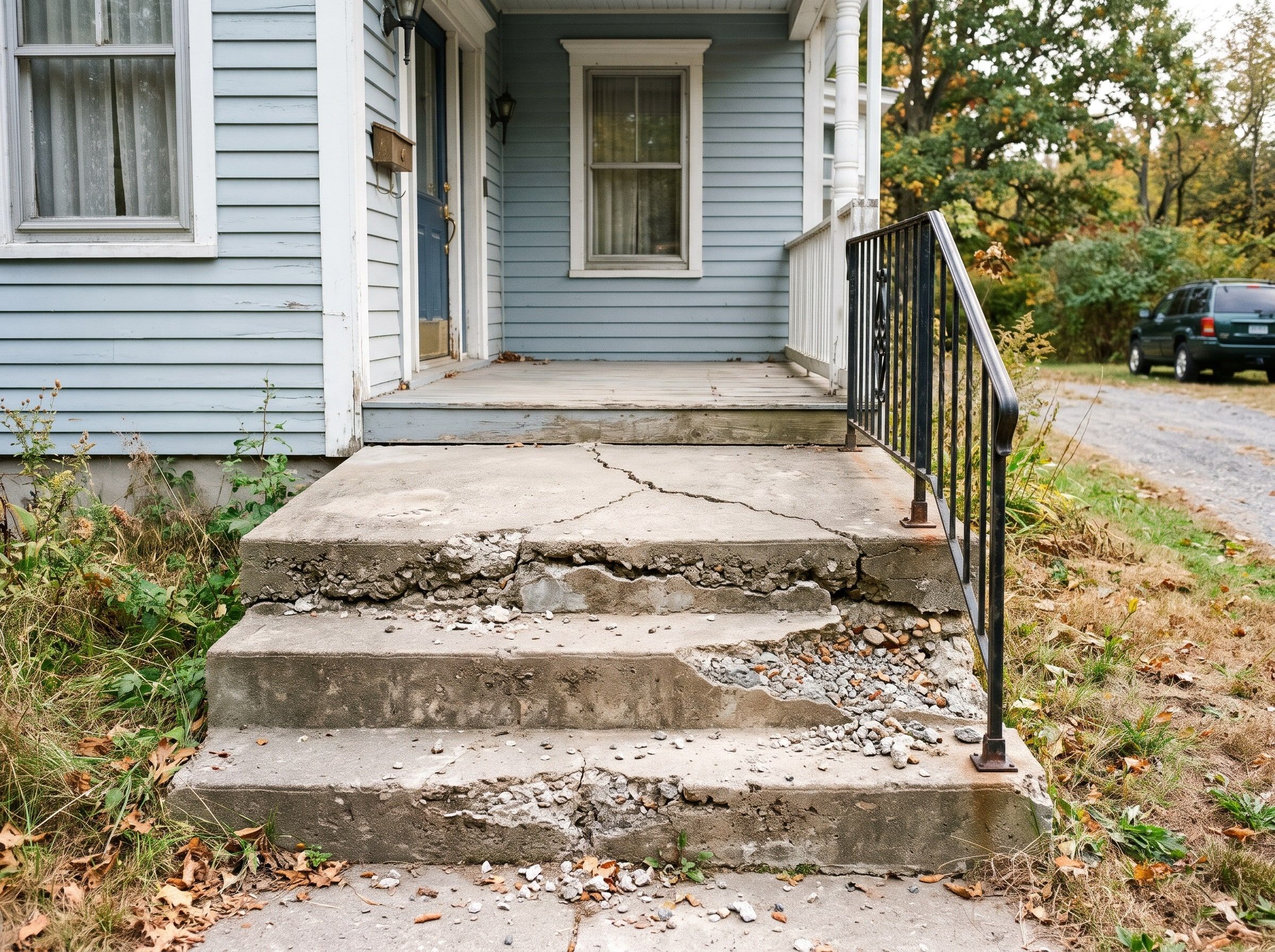
Pick a job photo. The AI lists what it sees, writes a scope and drafts a line-item estimate.
Pick a job photo
Like the ones customers text you from the driveway.
Pick a photo above to start
It runs right here in your browser on sample data.

Working on it
What you get back
- What’s wrong, pinned right on the photo
- A scope written the way you’d explain it
- Line items with quantities and your prices
- A proposal PDF you check and send
Draft estimate
Sample pricing — not a quoteWhat I see
Recommended scope
Line items
| Item | Qty | Unit | Unit price | Total |
|---|
Sample pricing — not a quote. The real version uses your own price list and markups.
Proposal ready
Brick wall crack repair
For Sample Homeowner · from Your Company Name · sample total
In the real version it’s your logo, your prices and your terms. You look it over and hit send.
Live demo with sample data. We build the real version on your own accounts.
Want estimates like this, priced your way?We can build this for you
Want this at your company?
You don’t need our exact setup. We build the version that fits your work, on your own accounts, starting from how you do it today.
- Set up in person, at your office
- You own every account and file
- No long-term contract
or call/text (518) 704-3125
The services behind it
- Estimating & Takeoff Automation AI measures quantities from your PDF drawings, three models cross-check the count, and you review every number. Starting at $3,500 per workflow
- Proposals, SOVs & Submittals Proposals, schedules of values and submittal packages drafted from your estimate and the specs, in your format, ready to check. Starting at $3,500 per workflow
Prices are starting points. The final price depends on your setup, and software is billed to you directly by each vendor, with no markup. See pricing
More real work
Other systems we run every day
- Bid Radar Every weekday morning it reads our inbox and New York's public bid sites, scores each opportunity for fit and sends one ranked report. Read the case study
- Supplier & sub pricing requests A personal pricing-request email for every supplier and sub on the list, drafted in one go, sent one at a time, with replies and follow-ups tracked. Read the case study
- Books from bank statements A year of bank statements and platform reports turned into an accountant-ready workbook with a P&L, balance sheet, ledger and reconciliations. Read the case study
- Owner's live dashboard One page that updates itself: open bids, active jobs, who is waiting on a call back and what needs doing today. Read the case study
- Paperwork on autopilot Certificates of insurance, vendor forms, registrations and prequal packets filled from one saved company file, then checked by a person. Read the case study
- Website & local marketing Our construction company's own website, lead form, Google Business Profile posts, ads and conversion tracking, all set up with AI. Read the case study
Want to see more? All services · All demos · AI for contractors · Text us a question
Free intro visit
Want a system like this of your own?
Tell us where to call. We’ll set up a free 30‑minute visit at your office — or a quick call if that’s easier.
We come to you anywhere in the Capital Region. Our office at 401 New Karner Road, Albany is open by appointment only. Mówimy po polsku.
Get a call back
Two fields. A real person calls back, usually the same business day.
Got it — we’ll call you soon.
Need us sooner? Call or text (518) 704-3125.
Prefer to tell us more? Use the full request form.